Our NESS Program is Specifically Designed to Optimise Bariatric Nutrition Care

Undergoing a bariatric surgery procedure is only one part of the journey to assist you in losing weight and regaining health, fitness, self esteem and quality of life. After surgery you need to learn how to use the tools provided to get the optimum benefit from it. For this reason, you need a team of different health professionals working with you to achieve your best results. Our experience in bariatric surgery nutrition will form an essential part of your weight loss journey and will provide education both pre and post surgery.

Bariatric Dieititian

Optimum Intake Dietitians will provide you with dietary education on how to change not only what, but how you eat and how to manage the challenge of getting all the nutrition your body needs within the constraints of the procedure. Although the eating changes can sound simple, in reality, breaking years of eating habits can be hard and your team is there to support you through both the successes and setbacks along the way. Our dietitians will perform a comprehensive nutrition assessment to identify, prevent, or correct deficiencies both before the procedure and after. From experience we have found that this support and education is fundamental to long-term success with bariatric surgery.

Optimum Intake has specifically designed a bariatric surgery care package for our clients to maximise the support we can provide you on your journey to a healthier lifestyle. 

Our NESS Package

The package includes a detailed dietary assessment and preparation consultation to get you set up for the weeks prior to your surgery. Following your operation we will provide you with an intensive education and support program which includes education on food texture, food variety and options and food quantity for both the adjustment phase and maintenance phase.  We take into consideration your nutritional requirements and educate you in order to prevent nutrient deficiencies and long term malnutrition. We also work to improve your relationship with food and make eating an enjoyable experience again long term. In order to provide maximum support this package includes the flexibility of email contact throughout your journey allowing you to ask questions as they arise. (for a 12 month term).

Additional or ongoing appointments beyond 12 months are available if needed and can be discussed with your dietitian at that point in time. *Additional costs will apply.

[Download Our Bariatric Care Brochure]

Psychology Services

Optimum Intake can provide psychological assessment and support to those undergoing bariatric surgery. Concurrent interventions with a Dietitian and Psychologist can be very effective. Please consult our Myrtle Oak Clinic website or psychology brochure for more information or call 0499 008 451 to discuss. 

For all enquiries and to start your NESS program with us please call our office on 0499 008 451 to make your first consultation booking.

coast surgery logo
bariatric ghosh dietitian

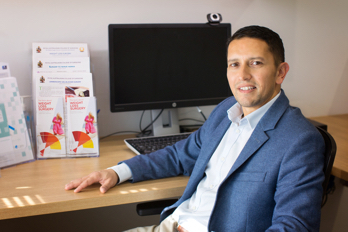
Optimum Intake are the preferred dietitian team working alongside Coast Surgery, a bariatric surgery clinic located on the Central Coast. Dr Simon Ghosh leads the team at Coast Surgery, he is a consultant General and Laparoscopic (keyhole) surgeon specialising in Bariatric weight loss surgery. Dr Ghosh is a Fellow of the Royal College of Surgeons Australia in General Surgery and has undertaken further formal training in Bariatric Surgery with Dr George Hopkins at the Royal Brisbane Hospital & Holy Spirit Private Hospital. Coast Surgery understands the complexity of health for individuals living in larger bodies and believes in a holistic approach to your care. Engaging you with a team of health professionals such as our team of dieticians, psychologists, physicians and exercise specialists, we are able to provide the necessary supports and solutions to ensure success after weight loss surgery. This team approach provides a tailored solution to help you reach your health goals and achieve a more active and fulfilling lifestyle. More information about Coast Surgery can be found on their website: https://www.coastsurgery.com.au/

Why do I need to see a dietitian before bariatric surgery?

Seeing a dietitian before bariatric surgery helps prepare your body for the changes that occur after surgery. A pre-operative nutrition assessment ensures you understand the eating stages following surgery, how to meet protein and fluid requirements, and how to reduce the risk of nutrient deficiencies.

Dietitians also help identify current eating patterns and provide strategies to support long-term success after surgery. Building these skills before surgery can make the transition smoother and improve recovery.

How important is protein after bariatric surgery?

Protein is one of the most important nutrients following bariatric surgery. Adequate protein intake supports wound healing, helps preserve muscle mass, and contributes to long-term weight management.

Most patients are encouraged to include a protein source at every meal and snack. Your dietitian will help you understand how much protein you need and how to achieve this through food and supplements if required.

What will I be able to eat after bariatric surgery?

After bariatric surgery your eating plan will progress through several stages as your body heals.

These stages usually include:
• Fluid stage
• Pureed foods
• Soft foods
• Gradual return to regular textured foods

Your dietitian will guide you through each stage, helping you prioritise protein, maintain hydration, and introduce foods safely. Everyone progresses slightly differently, so personalised guidance is important.

Will I need vitamin and mineral supplements after surgery?

Yes. Bariatric surgery changes the way your body absorbs certain nutrients. Most patients require lifelong vitamin and mineral supplementation.

Common supplements may include:

• Multivitamins
• Vitamin B12
• Iron
• Calcium and vitamin D

Your dietitian and surgical team will guide you on which supplements are appropriate and monitor your nutritional status over time.

How often should I see a dietitian after bariatric surgery?

Regular follow-up with a dietitian is recommended throughout the first year after surgery and periodically thereafter.

Appointments help monitor:

• Weight changes
• Nutritional intake
• Blood test results
• Eating patterns
• Any digestive symptoms

Ongoing support can help address challenges early and support long-term success.

What are common nutrition challenges after bariatric surgery?

Some people experience challenges while adjusting to new eating patterns.

These may include:

• Difficulty meeting protein requirements
• Reduced appetite
• Food intolerances
• Nausea or reflux
• Managing portion sizes
• Ensuring adequate vitamin and mineral intake

A dietitian can help identify practical strategies to manage these challenges and maintain balanced nutrition.

Can a dietitian help if I stop losing weight after surgery?

Yes. Weight changes after bariatric surgery can vary between individuals and may slow over time.

Dietitians can help review eating patterns, portion sizes, food choices, and lifestyle habits to identify areas that may support continued progress. The focus is on building sustainable habits that support health long term.

Do I need long-term nutrition support after bariatric surgery?

Bariatric surgery changes how your body processes food permanently. Ongoing nutrition care helps ensure your body receives the nutrients it needs and supports long-term health.

Many people benefit from periodic dietitian appointments to review their nutrition, adjust supplements if needed, and receive support as life circumstances change.