Personalised nutrition advice from experienced dietitians on the Central Coast, Newcastle and via telehealth Australia-wide

Feel confident nourishing your body with plant-based foods

Whether you’ve been vegetarian or vegan for years, are exploring a more plant-based way of eating, or simply want to include more plant foods in your meals, we’re here to help you make it work for you.

People choose vegetarian and vegan eating patterns for many reasons. These may include personal values, animal welfare, environmental considerations, cultural preferences, health or simply enjoying plant-based foods.

Dietitian Salad Pic

Whatever your reasons, eating in a way that aligns with your values and preferences should also feel enjoyable, practical and nourishing.

At Optimum Intake Dietitians, our Accredited Practising Dietitians (APDs) provide personalised vegetarian, vegan and plant-based nutrition advice to help you meet your nutritional needs, enjoy a variety of foods and feel confident in your food choices.

We take a flexible, non-diet approach, working with your lifestyle, preferences and individual health needs.

Can a vegetarian or vegan diet provide all the nutrients you need?

Yes. Well-planned vegetarian and vegan eating patterns can support good health across different stages of life.

Plant-based foods such as vegetables, fruits, legumes, wholegrains, nuts and seeds provide a wide variety of important nutrients, including fibre, vitamins, minerals and beneficial plant compounds.

However, depending on the foods you choose and your individual requirements, some nutrients may need additional attention.

Our dietitians can help you understand what your body needs and how to meet those needs through everyday foods, fortified products and supplements where appropriate.

The goal is to make nourishing yourself feel manageable and enjoyable, without unnecessary food rules or complicated meal plans.

Important nutrients in vegetarian and vegan diets

Protein: Supporting your body’s everyday needs

Protein supports muscle maintenance, growth, recovery, immune function and many other processes in the body.

Vegetarian and vegan diets can provide adequate protein through foods such as tofu, tempeh, lentils, beans, chickpeas, soy products, nuts, seeds and wholegrains.

Our dietitians can help you explore protein-rich foods, understand your individual requirements and find practical ways to include protein throughout the day.

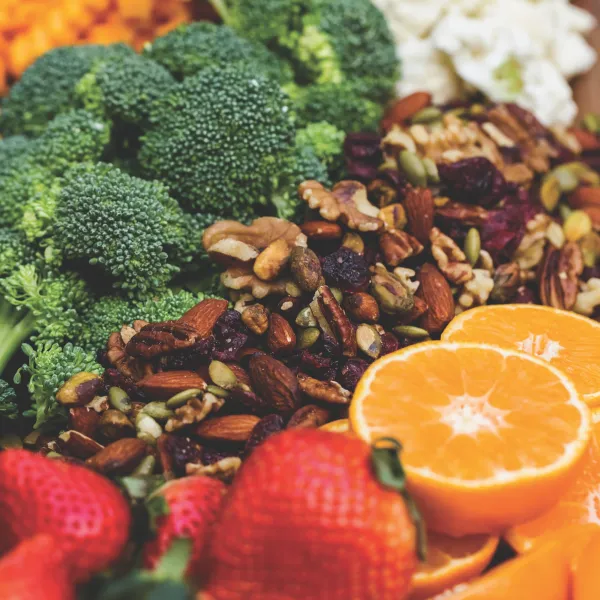
Broccoli, mixed nuts and dried fruit, strawberries and orange slices

Iron: Supporting energy and wellbeing

Iron plays an important role in transporting oxygen around the body and supporting energy levels.

Plant-based sources include legumes, tofu, wholegrains, nuts, seeds and iron-fortified cereals.

Because iron from plant foods is absorbed differently from iron in animal products, food combinations and meal choices can influence how much your body absorbs.

We can help you optimise your iron intake, identify when further assessment may be useful and understand whether supplementation is appropriate.

Vitamin B12: An essential consideration for vegan eating

Vitamin B12 is essential for healthy nerve function and red blood cell production.

Naturally occurring, reliable dietary sources are primarily animal-derived foods. People following a vegan diet therefore need a dependable source of vitamin B12 through suitable fortified foods and/or supplementation.

Our dietitians can help you understand your B12 requirements and identify an appropriate approach to maintaining adequate intake.

Calcium and vitamin D: Looking after bone health

Calcium and vitamin D are important for maintaining healthy bones and supporting muscle function.

Calcium can be obtained from foods such as calcium-fortified plant milks, calcium-set tofu, selected vegetables and other plant foods.

Vitamin D needs may require additional consideration depending on your sun exposure, health circumstances and dietary intake.

We can help you identify suitable food sources and assess whether additional support is needed.

Omega-3 fats, zinc and iodine

Omega-3 fats, zinc and iodine also deserve attention when following a vegetarian or vegan eating pattern.

Foods such as chia seeds, flaxseeds, walnuts, legumes, wholegrains and fortified products can contribute important nutrients.

Some people may benefit from specific fortified foods or supplements, including algae-derived omega-3 or iodine, depending on their individual needs.

Our dietitians can help you understand which nutrients matter for you and how to include them in a practical way.

Talk to us about plant-based eating

Whether you’re vegan, vegetarian or simply eating more plants, our dietitians can help you meet your nutritional needs and enjoy your food. See us in Tuggerah or Broadmeadow, or from home via telehealth.

How can a vegetarian or vegan dietitian help you?

You might know what foods you enjoy and still have questions about whether you’re meeting your nutritional needs.

Perhaps you’re transitioning to vegan eating, feeling unsure about protein or iron, struggling with meal variety or finding it challenging to accommodate different dietary preferences within your household.

Our dietitians can help with:

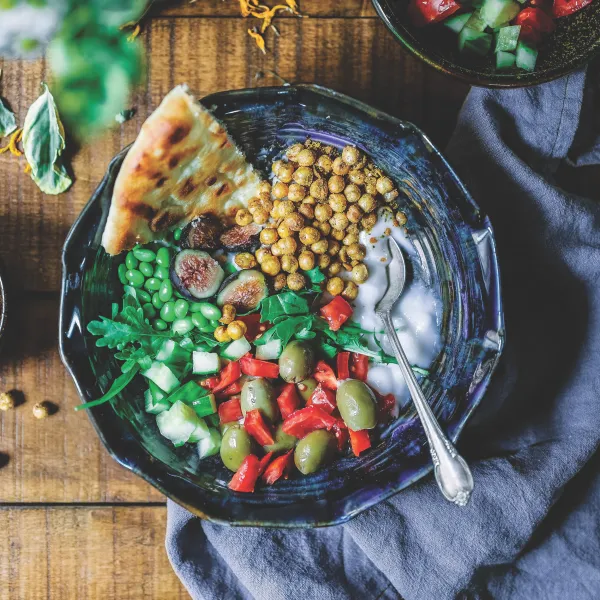
Bowl of chickpeas, fresh vegetables, olives and flatbread on a wooden table
  • Personalised nutrition assessments: Understanding your current food intake, nutritional requirements and any areas that may need additional attention.
  • Practical meal planning: Creating flexible meal and snack ideas that fit your routine, cooking skills, budget and food preferences.
  • Protein and nutrient adequacy: Helping you meet your requirements for protein, iron, calcium, vitamin B12 and other important nutrients.
  • Food-first strategies and supplementation: Identifying suitable foods, fortified products and supplements when needed.
  • Transitioning to vegetarian or vegan eating: Making gradual, manageable changes while maintaining adequate nutrition.
  • Eating out and social occasions: Finding practical ways to navigate restaurants, celebrations, travel and shared meals.
  • Family and household nutrition: Supporting households with different food preferences and helping everyone enjoy meals together.
  • Supporting specific health needs: Adapting vegetarian or vegan eating patterns around medical conditions, digestive concerns, physical activity or changing nutritional requirements.

We work collaboratively with you to develop realistic strategies that you can confidently use in everyday life.

Vegetarian and vegan nutrition at different life stages

Your nutritional requirements change throughout life. Our dietitians can help you adapt your vegetarian or vegan eating pattern to meet these changing needs.

Children and teenagers

Children and adolescents need adequate energy and nutrients to support growth, development, learning and everyday activity.

Our paediatric dietitians can support families raising vegetarian or vegan children, helping with meal variety, nutritional adequacy, growth and age-appropriate food choices.

We also recognise that children’s food preferences and eating skills develop over time, and we work with families to make mealtimes supportive and enjoyable.

Pregnancy and breastfeeding

Pregnancy and breastfeeding bring additional nutritional requirements, including for protein, iron, vitamin B12, iodine, choline and other nutrients.

Our dietitians can help you plan nourishing vegetarian or vegan meals, identify suitable supplements and support your nutritional needs throughout pregnancy and breastfeeding.

Active lifestyles and sports nutrition

Whether you enjoy regular exercise, attend the gym or participate in competitive sport, a vegetarian or vegan eating pattern can support an active lifestyle.

Our dietitians can help you meet your energy, protein and other nutritional requirements to support training, recovery, muscle health and performance.

Adults and older people

As we age, maintaining adequate nutrition becomes increasingly important for muscle strength, bone health and physical function.

Our dietitians can help you adapt vegetarian and vegan eating patterns to support changing nutritional needs, health conditions, appetite and everyday wellbeing.

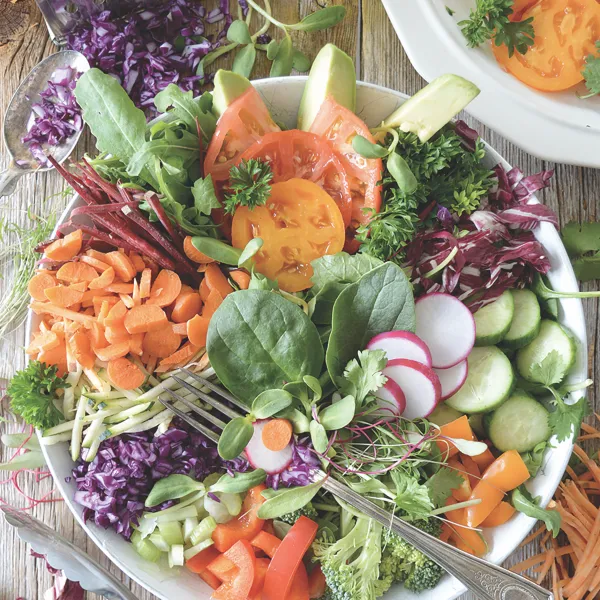
Colourful vegetarian salad bowl with leafy greens, tomato, carrot, cucumber and radish

Making plant-based eating practical and enjoyable

Eating vegetarian or vegan can introduce you to new foods, flavours, recipes and ways of preparing meals.

It can also come with challenges. You may be short on time, unsure what to cook, managing a limited budget or trying to find meals that everyone in your household will enjoy.

Our dietitians can help you build a collection of simple, satisfying meals and snacks that suit your lifestyle.

This might include finding convenient protein options, choosing suitable plant-based alternatives, planning quick lunches or adapting your favourite family recipes.

We believe food should be enjoyable, flexible and part of a positive relationship with eating.

Our non-diet approach to vegetarian and vegan nutrition

At Optimum Intake, we respect that food choices are influenced by personal values, culture, health, accessibility, preferences and lived experiences.

Our team practises from a non-diet, weight-inclusive approach that supports a positive relationship with food.

We won’t expect you to follow a particular eating pattern or introduce unnecessary food rules.

Whether you are fully vegan, vegetarian, occasionally eat plant-based meals or are still exploring what works for you, our dietitians can help you feel confident meeting your nutritional needs.

We focus on nourishment, flexibility and helping you build eating patterns that support your health and wellbeing.

Book an appointment with a vegetarian or vegan dietitian

Would you like to feel more confident about meeting your nutritional needs while enjoying vegetarian or vegan foods?

Our Accredited Practising Dietitians can help you understand your individual requirements, explore practical food choices and develop an eating approach that works for you.

We offer appointments at our Tuggerah clinic on the Central Coast, Broadmeadow clinic in Newcastle, and via telehealth Australia-wide.

Get in touch with our friendly Client Care Team or book an appointment online to discuss your vegetarian, vegan or plant-based nutrition needs.

Frequently Asked Questions About Vegetarian and Vegan Nutrition

Do I need to see a dietitian if I'm vegetarian or vegan?

You don’t need to see a dietitian simply because you follow a vegetarian or vegan diet. However, dietetic support can be helpful if you’re unsure whether you’re meeting your nutritional needs, transitioning to a new eating pattern, experiencing low energy or managing additional health requirements.

Our dietitians can help you make informed food choices and feel confident that your eating pattern is supporting your health.

Can you get enough protein on a vegan diet?

Yes. A well-planned vegan diet can provide enough protein through foods such as tofu, tempeh, legumes, soy products, nuts, seeds and wholegrains.

Your protein requirements depend on factors including your age, activity levels and health needs. A dietitian can help you understand your requirements and find enjoyable, practical ways to meet them.

Do vegans need vitamin B12 supplements?

People following a vegan diet need a reliable source of vitamin B12, which can come from appropriately fortified foods and/or supplementation.

Vitamin B12 is essential for nerve function and red blood cell production. Your dietitian can help you identify suitable sources and determine whether further assessment is needed.

Is a vegetarian or vegan diet suitable for children?

Well-planned vegetarian and vegan diets can support children’s growth and development, provided their energy and nutritional requirements are met.

Some nutrients, including iron, calcium, vitamin B12, iodine and vitamin D, require particular attention. Our paediatric dietitians can help families plan suitable meals and snacks and support their child’s changing nutritional needs.

Can I follow a vegan diet during pregnancy?

A well-planned vegan diet can support pregnancy, although careful attention to nutritional requirements is important.

Nutrients including vitamin B12, iron, iodine, choline, protein and calcium may require additional consideration. Our dietitians can provide personalised advice about food choices, supplementation and nutritional adequacy during pregnancy.

Can a dietitian help me transition to a plant-based diet?

Absolutely. Whether you’re planning to become vegetarian, transition to vegan eating or simply include more plant-based meals, our dietitians can help you make changes at your own pace.

We can provide practical meal ideas, identify suitable food alternatives and help you meet your nutritional needs while keeping food enjoyable and manageable.