Frequently Asked Questions
Can a dietitian help with fussy eating?
Yes. Paediatric dietitians regularly support children who are selective with food, refuse certain foods, or eat only a limited variety of foods. We work with families to understand the factors contributing to fussy eating and develop practical strategies that reduce stress and support positive experiences with food.
What is the difference between fussy eating and ARFID, and can a dietitian help?
Many children experience typical phases of fussy eating. ARFID (Avoidant Restrictive Food Intake Disorder) is a mental health condition diagnosed by a doctor, psychologist or psychiatrist. ARFID can affect growth, nutritional adequacy and participation in everyday activities, and is often associated with significant anxiety or fear related to food or eating. Dietitians play an important role in supporting children and adolescents with ARFID by assessing nutritional adequacy, supporting safe food exposure and working collaboratively with the broader healthcare team.
Can a dietitian help with feeding therapy?
Many children benefit from feeding therapy support when they experience food refusal, sensory feeding differences, limited food variety or anxiety around eating. Our team have completed extensive training in feeding therapy and can deliver this support and work alongside other health professionals to support positive feeding experiences and improve nutritional intake.
My child only eats a few foods. Should I be concerned?
A limited range of accepted foods can sometimes affect nutritional intake, growth, development and participation in everyday activities. If your child consistently eats only a small number of foods or avoids entire food groups, a paediatric dietitian can help assess nutritional adequacy and provide strategies to expand food variety where appropriate.
Does my child need feeding support or will they grow out of it?
Many feeding differences improve over time, but some children benefit from early support. If eating is affecting growth, nutrition, family wellbeing or participation in everyday activities, it may be worth seeking professional advice.
My toddler won’t eat vegetables. Is that normal?
It’s common for toddlers to become selective with foods as they grow and develop independence. However, if mealtimes are becoming stressful, food variety is shrinking, or you’re concerned about your child’s nutrition, a paediatric dietitian can help you navigate this stage using evidence-based responsive feeding approaches.
Can a paediatric dietitian help with constipation?
Yes. Dietitians commonly support children experiencing constipation by assessing dietary intake, fluid intake, feeding patterns and other contributing factors. Individualised recommendations can help improve bowel health and reduce discomfort.
Can a paediatric dietitian help with food allergies and intolerances?
Yes. We support children with diagnosed food allergies, food intolerances and medically prescribed elimination diets. Our goal is to ensure nutritional needs continue to be met while managing dietary restrictions safely.
When should I see a dietitian about starting solids?
Many families seek support when introducing solids, particularly if their baby was born prematurely, has allergies, reflux, feeding difficulties, growth concerns or additional medical needs. A paediatric dietitian can provide individualised guidance to support safe progression through textures and help ensure nutritional needs are being met.
What happens during a paediatric dietitian appointment?
Your dietitian will take the time to understand your child’s growth, medical history, eating patterns, feeding experiences, daily routines and family goals.
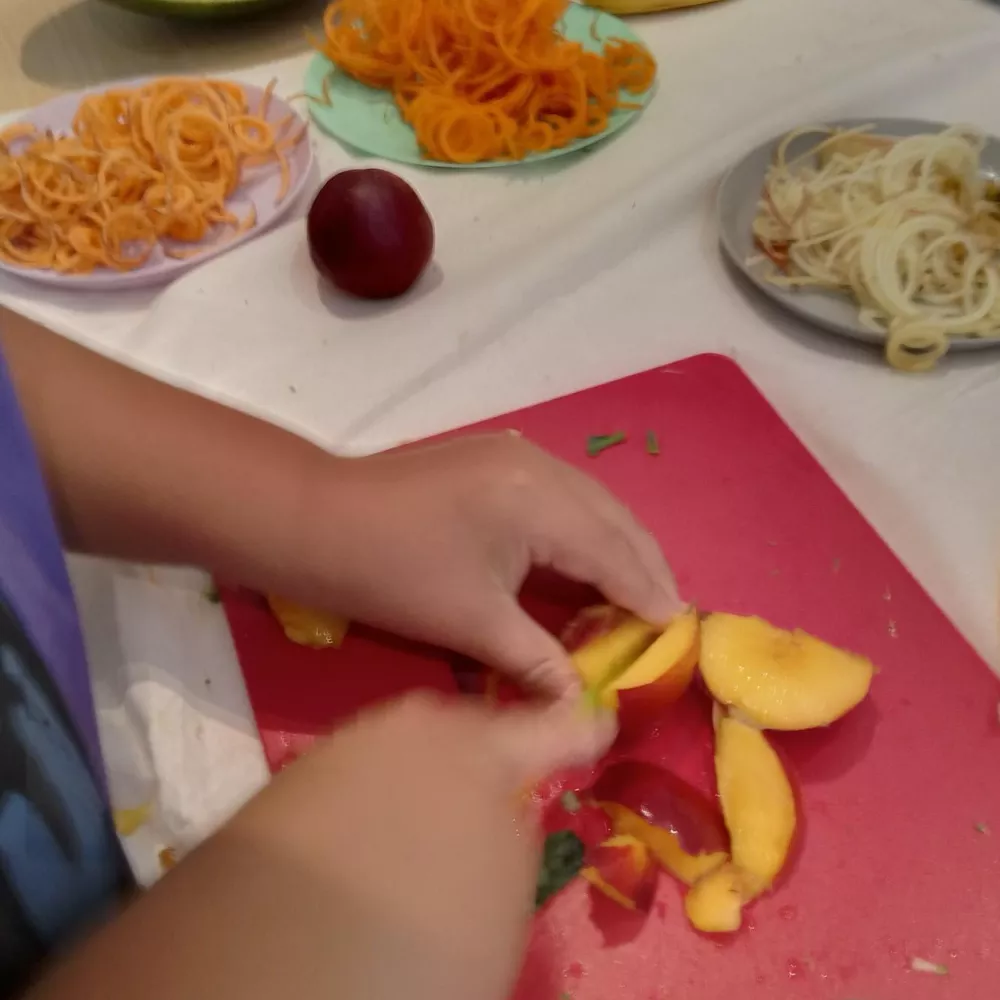
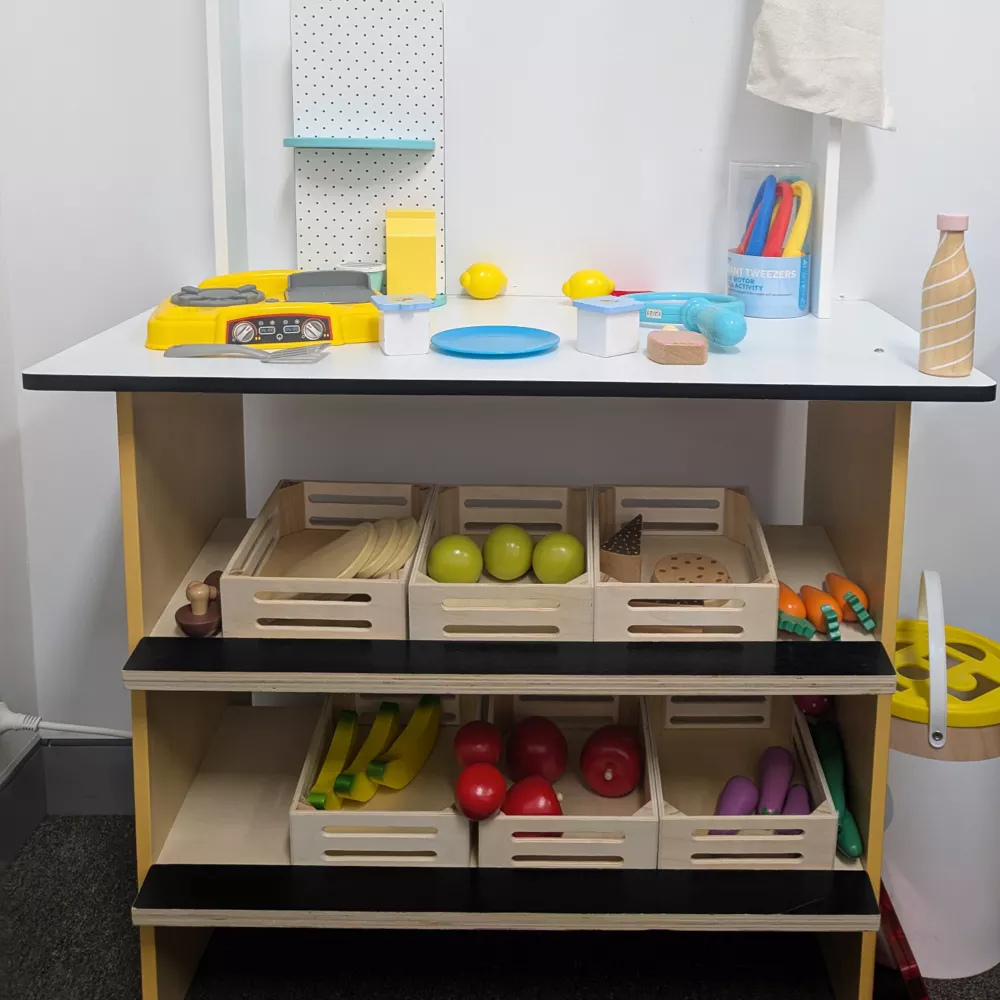
Depending on your child’s age, needs and goals, appointments may include nutrition assessment, discussing feeding concerns, sensory food exploration, food-based play, introducing new foods without pressure, building food preparation skills, or developing practical mealtime strategies. We may also spend time supporting parents and carers with guidance, education and realistic strategies that fit your family’s routines and lifestyle.
Together, we’ll develop an individualised plan that supports your child’s nutrition, development and relationship with food, while helping your family feel more confident about the next steps.
Do I need a referral to see a paediatric dietitian?
In many cases, a referral is not required. However, some funding pathways, including care plans, NDIS supports, insurance schemes or specialist referrals, may require documentation. Our team can help guide you through the process.
Do you provide telehealth appointments?
Yes. Telehealth appointments can be an effective way to access paediatric nutrition support from home and are appropriate for many nutrition and feeding concerns.